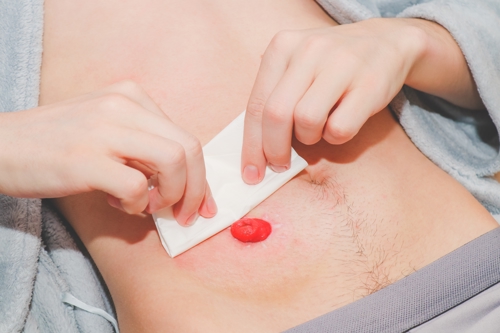
Once you have recovered from surgery, your stoma nurse or physiotherapist might give you exercises to build up your tummy muscles. This helps prevent a hernia (a bulge under the skin around your stoma that can happen if some of your bowel pushes through the gap in your muscles where you had surgery).
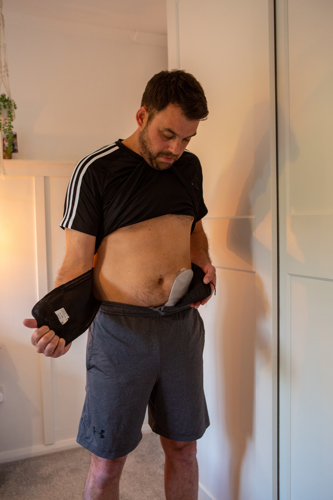
Having a stoma should not stop you doing the sports you enjoy. In fact, many people find they can get back to doing the things they used to before they were ill. Build up the amount of exercise you do gradually. For heavier activities, you could wear a belt or girdle to support your stoma and tummy muscles.
Stoma bags are waterproof so you can go swimming. You can get filter covers to stop the filters getting wet. If you want to cover up your stoma bag, you can buy covers in different colours and patterns. You can also get swimwear that is specially designed for people who have a stoma. If you have a colostomy, you could use a stoma plug while you’re swimming. Your stoma nurse can give you information about these.
Work
If you are going back to work after having a stoma, it’s a good idea to talk to your employer about how they can support you. Some people worry how their employer or colleagues might react if they tell them they have a stoma. But most people find that telling people helps them understand their needs.
You might have had a long time off work before having your stoma. You might be looking forward to returning. But you might also feel anxious. When you first go back, you could ask for a phased return. Or you could ask for lighter duties to begin with. Some people work out a routine that means they do not have to change their bag too often at work.
We have information about employment for people living with Crohn’s and Colitis in our Guide for employees. We also have a Guide for employers, which you could show your manager or HR department.
Education
If you, or your child, are returning to education after having a stoma, you may want to contact staff to discuss what support you or your child need. You might find our information for schools, colleges and universities helpful. Or Colostomy UK have a Junior Ostomy Support Helpline (JOSH) that provides support for parents and carers of young people living with a stoma.
Travel
Having a stoma should not stop you travelling, but it takes a bit more planning. Often people find that travelling is easier with a stoma than it was when they had Crohn’s or Colitis symptoms.
Ask your surgical team how long you should wait after your stoma surgery before it is safe to drive. You should also check with your car insurance company. If you are travelling as a passenger, it’s sensible to make sure you can move around easily and sit comfortably before going on a trip.
The UK Civil Aviation Authority recommends that you do not fly for 10 days after having abdominal surgery. This is to reduce your risk of complications. You are likely to need a ‘fit-to-fly’ certificate or medical information form from your doctor if you plan to fly sooner. You usually pay for this. It’s a good idea to take your stoma supplies in your hand luggage, in case your hold luggage is delayed or lost.
We have more information about Travelling with Crohn’s or Colitis, which covers holidays, business trips and longer travel. It includes information for people who have a stoma.
Taking medicines
If you have a stoma, your body might not fully absorb tablets or capsules. Instead, they might pass straight through your gut and come out into your stoma bag. Slow-release tablets and capsules are not suitable for people who have a stoma. Liquids, uncoated tablets or tablets that dissolve in water may work better. Your GP or pharmacist can advise you on what medicines are suitable for you.
Colonoscopy for people with a colostomy
If you have any of your large bowel left after your stoma surgery, you could get Crohn’s or Colitis in the remaining bowel. There is also a chance you could get cancer in the bowel you have left. This means you might still need to have colonoscopies. In this case, you have the colonoscopy through your stoma instead of through your back passage. Colostomy UK have a booklet about having a colonoscopy through a stoma (PDF).
We have separate information on the risk of bowel cancer in people living with Crohn’s or Colitis.
If you receive a bowel cancer screening test by post (a ‘FIT’ test), call the government’s free helpline on 0800 707 60 60. They can check whether it is appropriate for you to do it. If you cannot call the government helpline, you could ask your GP.
Other health issues
People who have a stoma can also have other health conditions. This might affect their ability to manage their stoma. In particular, having dementia can make it hard to look after a stoma.

 SEARCH